As renewable energy becomes increasingly popular, many homeowners are curious about how wind turbines function and whether they are suitable for residential use. JONATHAN QUORRA LLC aims to simplify this technology and help customers understand how they can harness the power of wind effectively.
Understanding the Basics
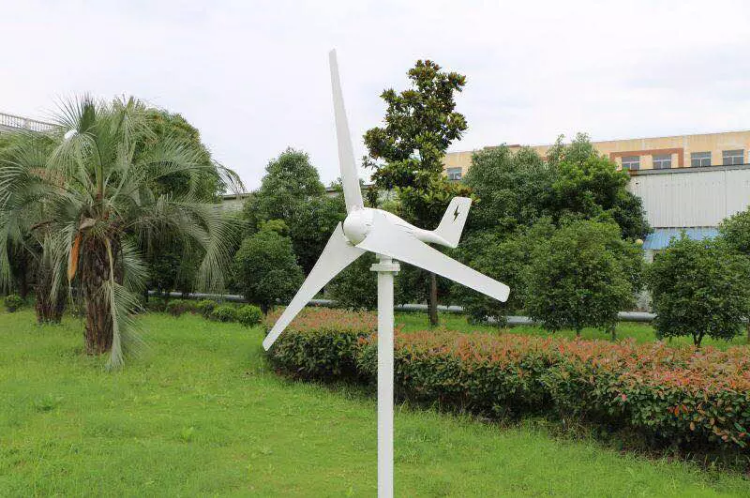
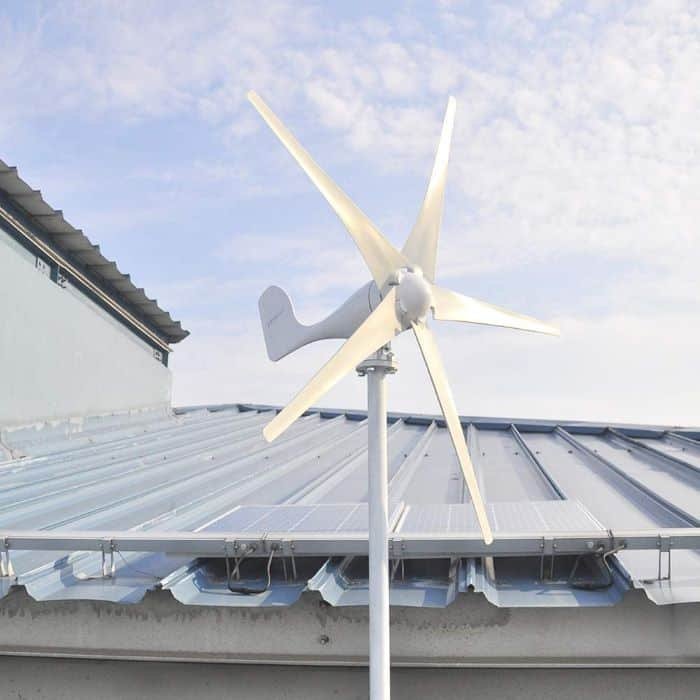
A wind turbine converts kinetic energy from the wind into electrical energy. When wind flows over the blades of the turbine, it causes them to spin. This rotational motion drives a generator, which produces electricity that can be used to power a home.
The core components of a wind turbine include blades, a rotor, a generator, and a tower. Each part plays a crucial role in capturing and converting wind energy efficiently.
Types of Residential Wind Turbines
There are two main types of wind turbines used in residential settings: horizontal-axis and vertical-axis turbines.
Horizontal-axis turbines are the most common and resemble traditional windmills. They are highly efficient and are typically installed on towers to capture stronger winds at higher elevations.
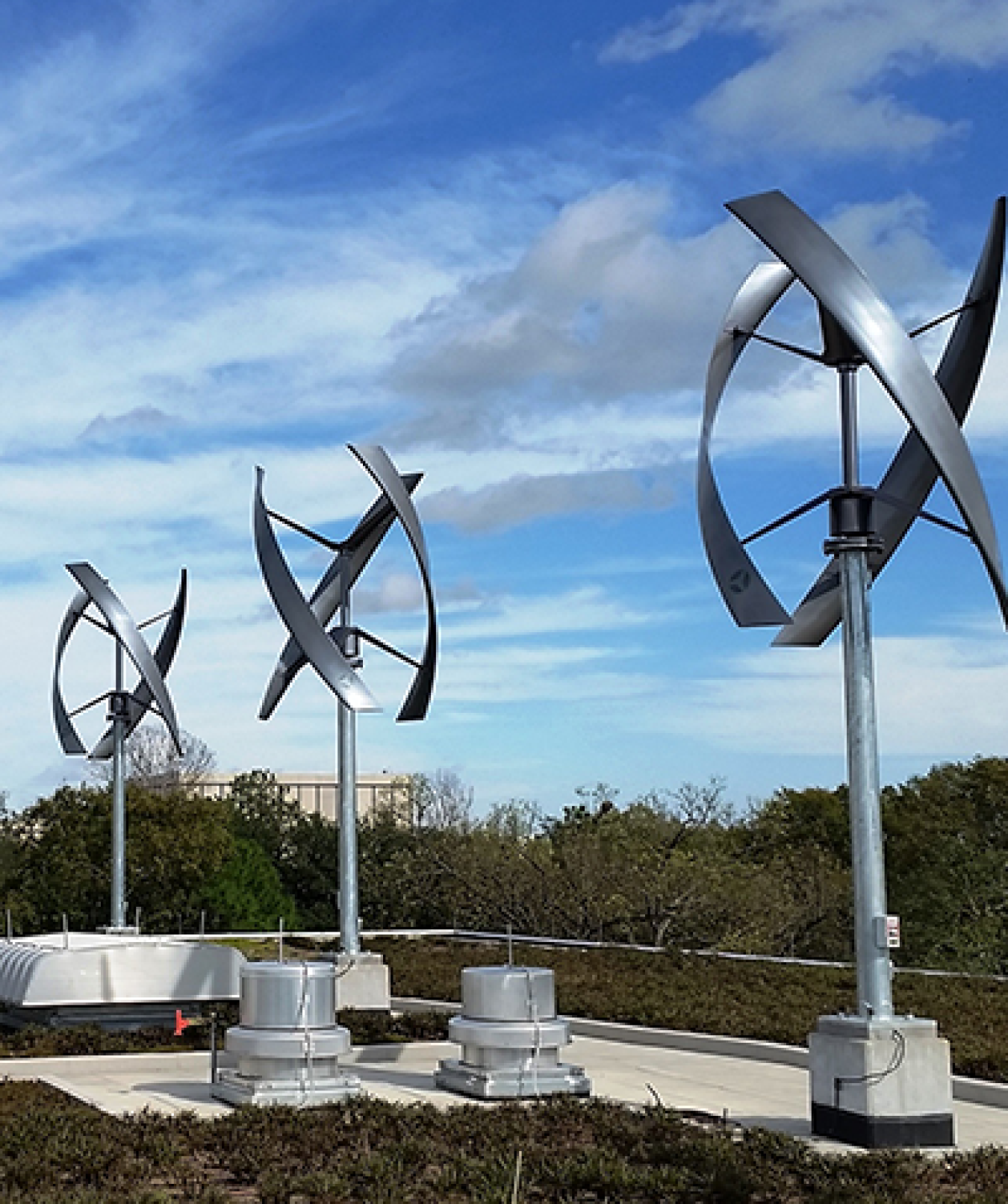
Vertical-axis turbines, on the other hand, are more compact and can operate in varying wind directions. They are often used in urban environments where space and wind conditions may be limited.
Energy Generation and Storage
Once electricity is generated, it can be used immediately to power household appliances. In some systems, excess energy is stored in batteries for later use. Alternatively, grid-tied systems allow homeowners to send surplus electricity back to the grid, potentially earning credits or reducing utility bills.
JONATHAN QUORRA LLC offers both off-grid and grid-tied solutions, giving customers flexibility based on their energy goals.
Installation Considerations
Proper installation is essential for maximizing the efficiency of a wind turbine. Factors such as tower height, location, and surrounding obstacles can significantly impact performance.
For example, turbines should be installed in areas with minimal obstructions, such as trees or buildings, to ensure consistent airflow. Higher towers generally result in better energy output due to stronger and more stable winds.
Maintenance and Longevity
Modern wind turbines are designed for durability and require relatively low maintenance. Routine inspections and occasional servicing help ensure optimal performance and extend the lifespan of the system.
At JONATHAN QUORRA LLC, we prioritize quality and reliability, offering products that are built to withstand various weather conditions while maintaining high efficiency.
Advantages Over Traditional Energy
Wind energy offers several advantages over conventional power sources. It is renewable, sustainable, and does not rely on fossil fuels. This makes it an environmentally friendly choice that aligns with global efforts to reduce carbon emissions.
Additionally, wind turbines can provide long-term financial savings by reducing electricity costs over time.
Conclusion
Understanding how home wind turbines work is the first step toward embracing renewable energy. With the right system and proper installation, homeowners can enjoy the benefits of clean, reliable power. JONATHAN QUORRA LLC is committed to guiding customers through this journey and providing solutions that meet their unique needs.